Lichen sclerosus in men: when circumcision is advised
The short version
A German medical guideline says steroid ointment should come first for lichen sclerosus, a chronic inflammatory skin disease. It recommends circumcision for boys and men whose foreskin stays tight despite that treatment.
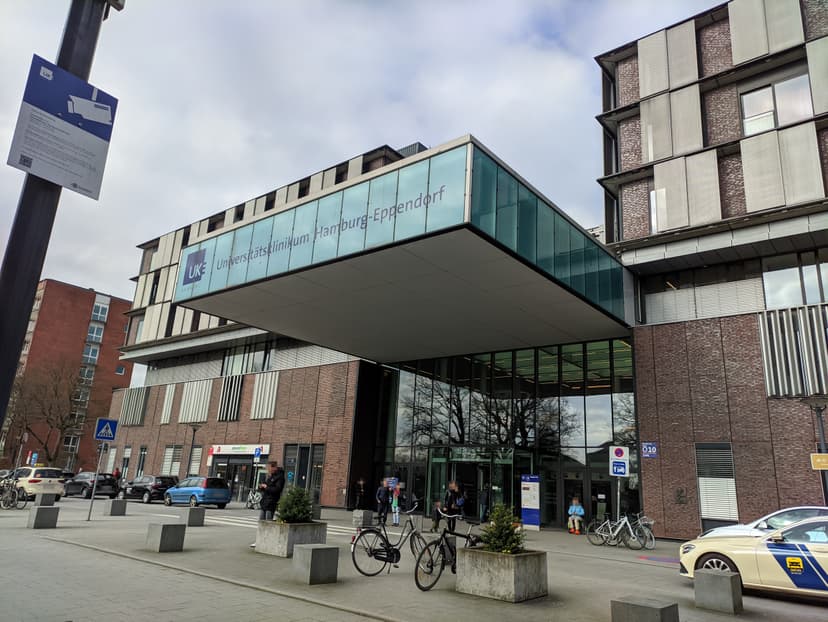
Photo: Aveaoz / Wikimedia Commons · CC BY-SA 4.0
What was published?
The German Dermatological Society and the German Society for Gynecology and Obstetrics led work on the guideline, which was announced in September 2025, Deutsches Ärzteblatt reported. An English-language short version was published online on March 4, 2026, in the Journal der Deutschen Dermatologischen Gesellschaft (free full text). The full guideline is longer.
A group of 24 experts from 16 medical societies wrote the guideline, and patient representatives took part. It adapts a European guideline on lichen sclerosus for use in German-speaking countries. It covers diagnosis, treatment and long-term care in women, men, girls and boys.
How does lichen sclerosus affect the foreskin?
Lichen sclerosus is a chronic, noninfectious inflammatory skin disease that affects children and adults of both sexes. Estimates of how common it is range from 0.1% to 3%, according to Deutsches Ärzteblatt. Penile lichen sclerosus mainly affects the foreskin and glans, or head of the penis. Ongoing inflammation can lead to scarring and tightening that stops the foreskin from pulling back normally.
A foreskin that used to move freely can become hard or impossible to pull back. This is called acquired phimosis. The foreskin can also stick to the head of the penis, which can cause painful erections or trouble urinating. The guideline says phimosis that develops this way strongly suggests lichen sclerosus, especially in children.
What does the guideline recommend first?
Strong steroid ointments, called potent or ultrapotent topical corticosteroids, remain the standard treatment for genital lichen sclerosus at any age and in both sexes. They are used alongside emollients, which moisturize and protect the skin.
For boys and men, the guideline identifies mometasone furoate and clobetasol propionate as effective treatments for early and intermediate stages of penile lichen sclerosus. But it says the cure rate is not known. In one placebo-controlled trial the guideline cites, five weeks of mometasone improved phimosis in 7 of 17 boys. Advanced cases did not improve.
When does it recommend circumcision?
For boys and men whose phimosis from lichen sclerosus has not improved with standard treatment, such as steroid ointment, the guideline recommends circumcision. It says removing the whole foreskin is preferred.
This is a strong recommendation in the guideline's grading system, with agreement from more than three in four members of the expert group. Because the evidence is limited, the recommendation is based on expert consensus rather than high-certainty comparative research.
For surgery, the guideline also recommends:
- Lab check: examining the removed foreskin under a microscope to confirm lichen sclerosus and rule out precancerous changes.
- Steroid ointment before and after: usually clobetasol propionate 0.05%, for example for four weeks before the procedure and four to 12 weeks afterward.
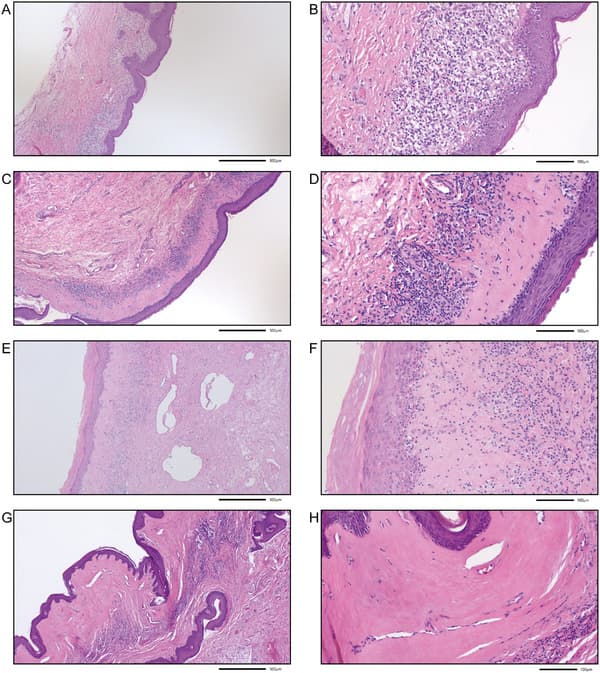
For boys and men whose only problem is a short frenulum (the band of skin under the head of the penis) caused by lichen sclerosus that has not responded to treatment, the guideline suggests frenuloplasty, an operation to lengthen it. This is combined with a triamcinolone steroid injection or follow-up steroid treatment.
Can circumcision provide a lasting cure?
The guideline does not call surgery a cure. It says there is some evidence that lichen sclerosus in males may go into remission after circumcision, but thorough studies are lacking.
The guideline also says that the disease is thought to occur more often in uncircumcised males and in those circumcised later in life than in males circumcised shortly after birth.
Why does early treatment matter?
Inflammation and scarring can affect urinary and sexual function. In adults, genital lichen sclerosus is linked to a higher risk of cancer in the affected skin, usually squamous cell carcinoma. Men with penile lichen sclerosus are at risk of penile cancer.
The guideline says any newly thickened patch or new sore should always be biopsied, meaning a small tissue sample is taken for testing. It recommends regular follow-up visits, for example every three to six months at first and about once a year once the disease is stable. It also says children should be followed by specialists experienced in treating children with lichen sclerosus.
Dr. Linn Wölber of the University Medical Center Hamburg-Eppendorf, who coordinated the guideline, told Deutsches Ärzteblatt that treatment should start as early as possible to prevent scarring, cancer and loss of quality of life.
What it means
For boys and men in German-speaking countries, the guideline puts steroid ointment first and recommends circumcision when a tight foreskin caused by lichen sclerosus does not respond. How often circumcision, or steroid treatment alone, leads to lasting remission is not yet known.
Original reports and sources (2)
- Kirtschig G, Woelber L, et al. Evidence- and consensus-based guideline on lichen sclerosus. Journal der Deutschen Dermatologischen Gesellschaft. 2026;24(4):566–584. Published online March 4, 2026. https://doi.org/10.1111/ddg.70000 · Free full text: https://pmc.ncbi.nlm.nih.gov/articles/PMC13059072/
- Deutsches Ärzteblatt. S3-Leitlinie zu Lichen sclerosus erschienen. September 9, 2025. https://www.aerzteblatt.de/news/s3-leitlinie-zu-lichen-sclerosus-erschienen-fc5ec6c2-5452-44ba-9d36-7adc38641f9d
See something wrong? Report an error · How we correct pages